
Understanding the Collision Repair Process
The automotive landscape is a complex environment where safety and precision must intersect to ensure that vehicles remain reliable after an accident. Navigating the aftermath of a vehicle impact involves more than just superficial fixes; it requires a deep dive into the mechanical and structural integrity of the machine. Understanding the various stages of the professional restoration process allows vehicle owners to appreciate the level of expertise required to return a car to its original factory specifications. This comprehensive guide serves to illuminate the path from the initial impact to the final delivery of a restored vehicle.
The importance of a systematic approach cannot be overstated when dealing with modern vehicle architecture. Cars today are designed with sophisticated crumple zones, intricate sensor networks, and high-strength materials that react in specific ways during an accident. A professional repair facility must account for all these variables to ensure the vehicle remains safe for future travel. By following a rigorous series of steps, technicians can identify every issue and address it with the appropriate specialized tools and methods.
Assessing The Damage
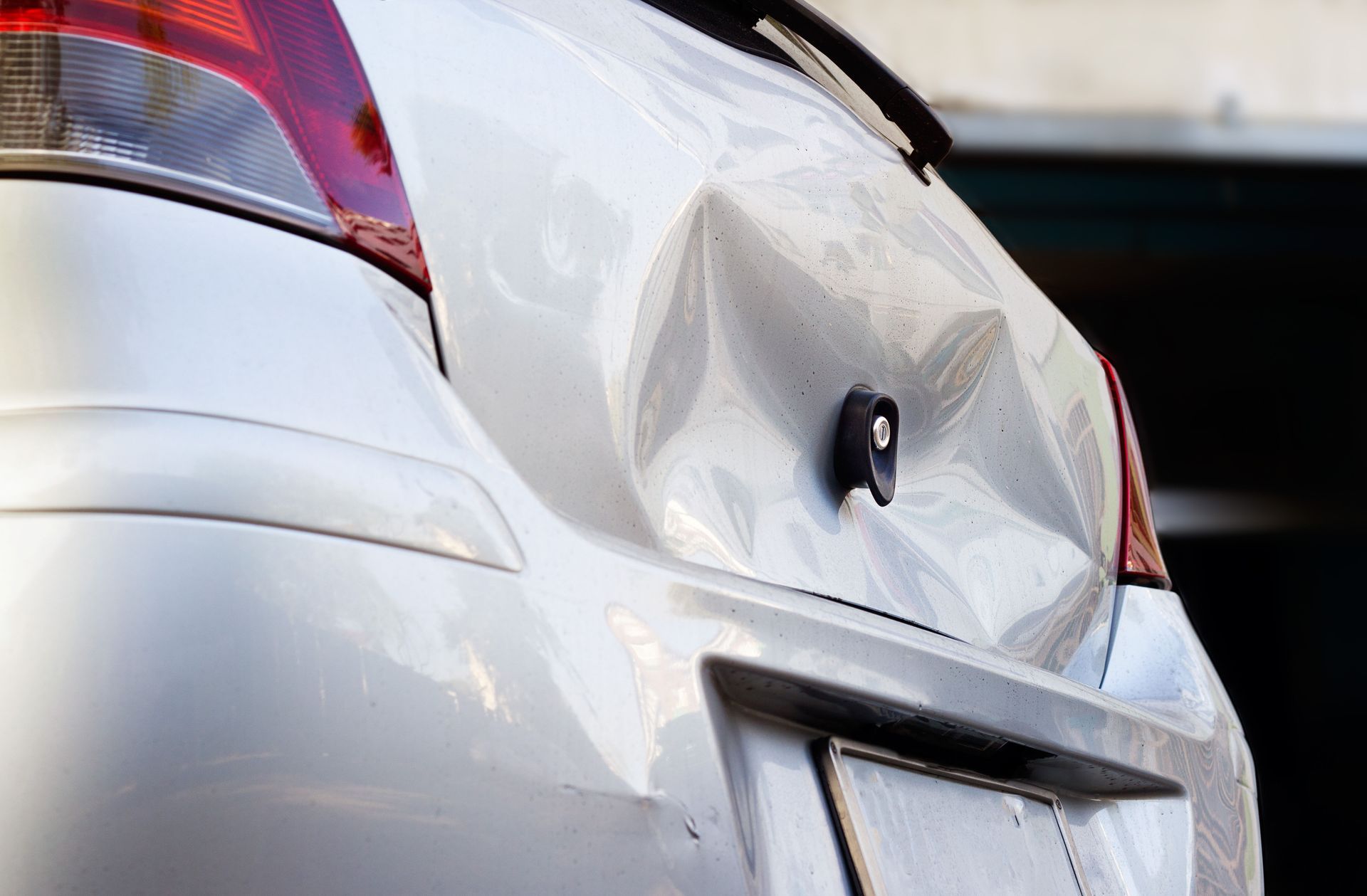
The journey begins with an exhaustive evaluation of the vehicle to determine the full extent of the impact. This stage is not merely about looking at the exterior surface; it involves a deep dive into the underlying components that may have been compromised. Technicians use a variety of diagnostic tools to measure the alignment and scan the internal computer systems for error codes that might indicate hidden failures. This initial phase sets the tone for the entire project, as an incomplete assessment can lead to safety risks and delays further down the line.
During this evaluation, experts look for signs of frame stress and mechanical strain that might not be immediately obvious to the untrained eye. Every dent, scrape, and misalignment is cataloged to ensure that nothing is missed during the actual repair work. This detailed documentation is also necessary for insurance purposes, as it provides a clear picture of what is required to make the vehicle whole again. By taking the time to perform a meticulous check at the start, the repair facility can provide a more accurate timeline and cost estimate to the owner.
Planning The Restoration
Once the data has been collected, the focus shifts to creating a comprehensive strategy for the physical work. This involves prioritizing tasks and determining the specific parts and materials needed to execute the repair flawlessly. A well-constructed plan accounts for the lead times of ordering genuine manufacturer parts and the specific labor requirements for each phase of the project. This level of organization is essential for maintaining a steady workflow and ensuring that every technician involved knows exactly what needs to be done.
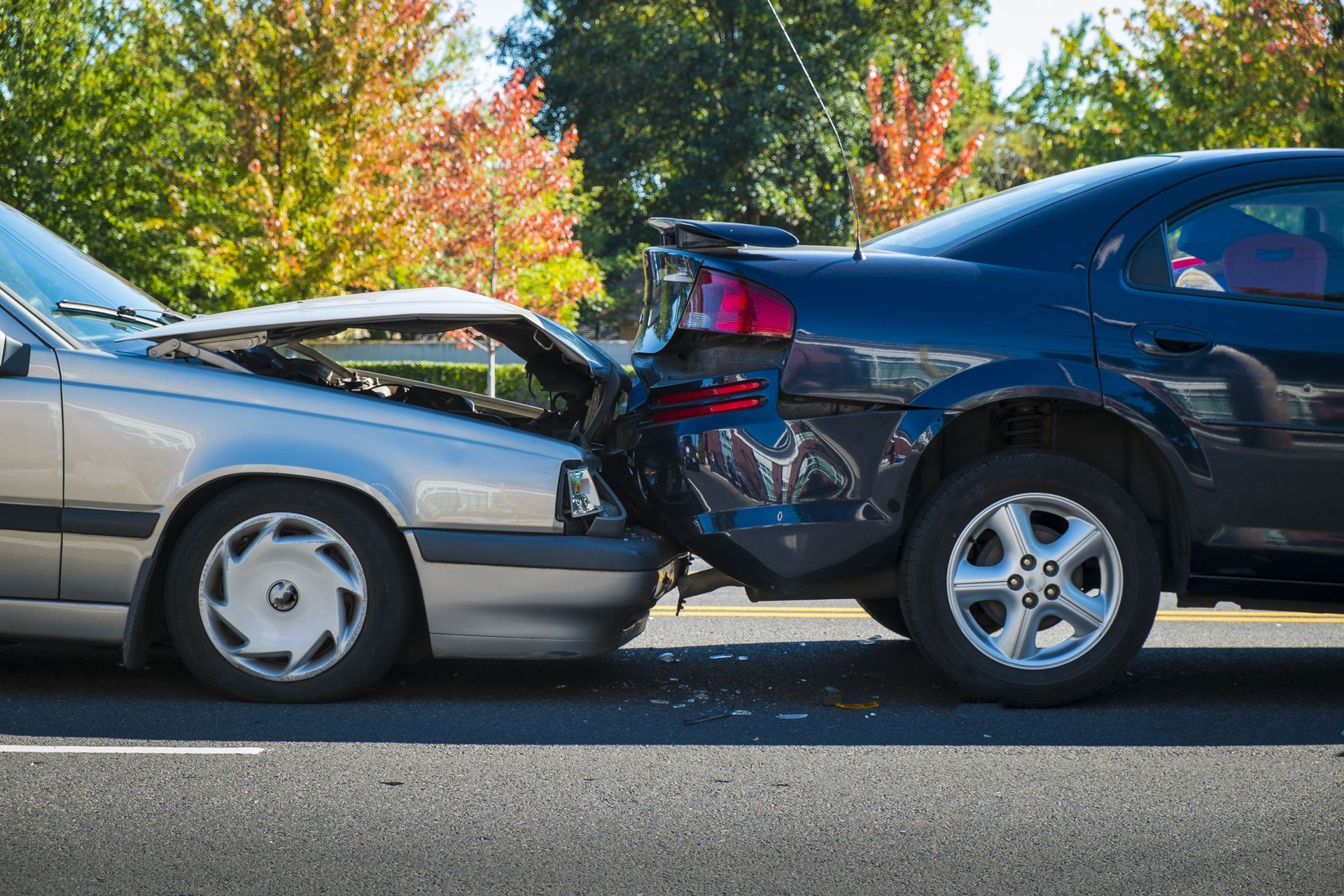
According to Amica Insurance, around 1.7 million rear-end collisions take place in the U.S. each year, making such careful assessments vital. These statistics highlight the frequency of road incidents and the subsequent need for a standardized planning phase in collision repair. When a plan is detailed and followed strictly, it reduces the likelihood of encountering unexpected hurdles that could push back the completion date. This stage also involves coordinating with insurance adjusters to finalize the scope of work and ensure that all necessary repairs are covered under the policy. A strategic plan is the bridge between the initial damage and a successful outcome.
Aligning The Structure
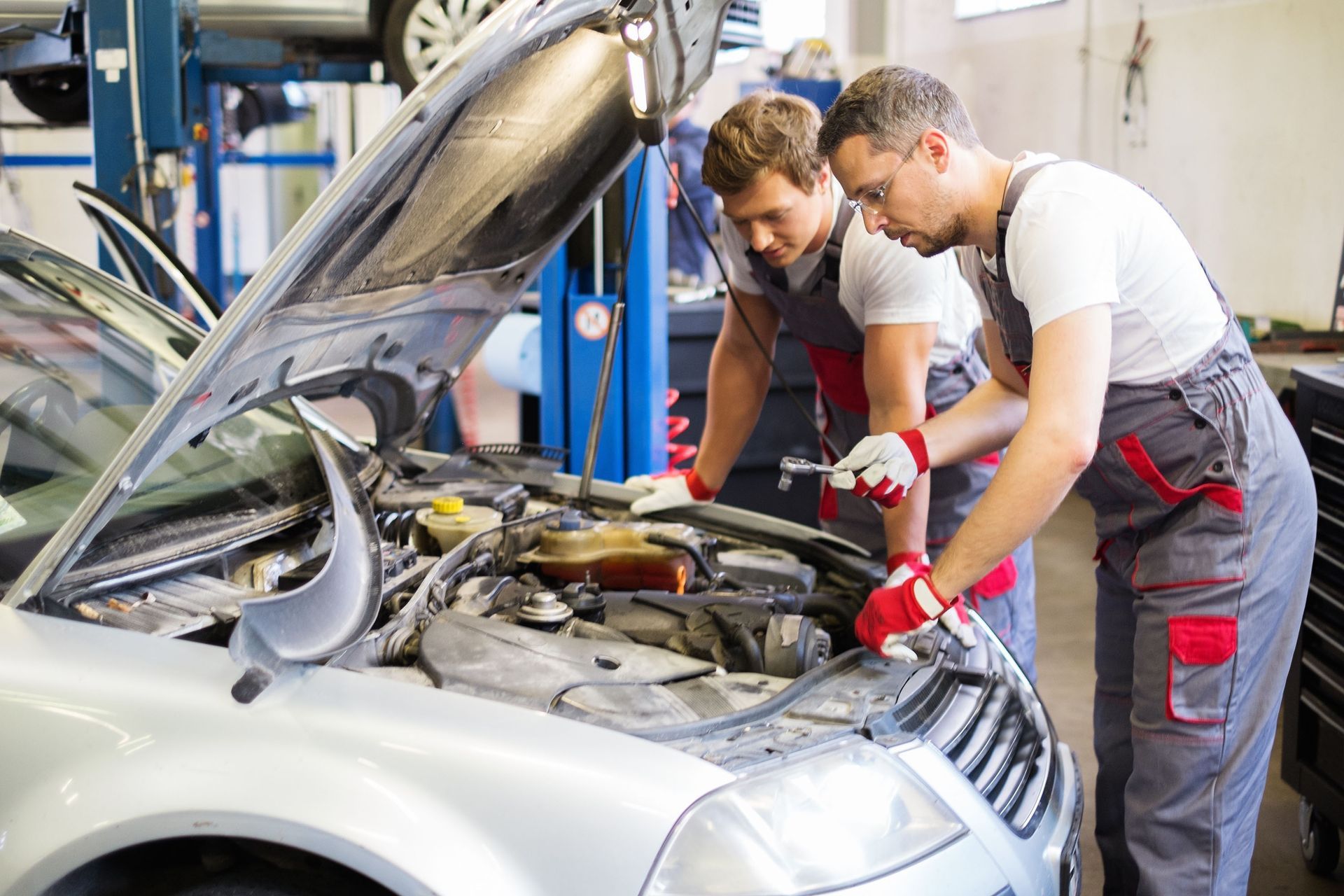
The most critical phase of the physical work often involves the heavy lifting of structural realignment. If the frame or unibody of the vehicle is even slightly out of position, it can lead to poor handling, uneven tire wear, and a failure of the safety systems to deploy correctly in a future event. Technicians use heavy-duty frame racks and computerized measuring systems to pull and push the metal back into its precise factory dimensions.
In addition to frame work, this section involves the replacement or repair of major structural panels. Advanced welding techniques are employed to join new sections of the vehicle, mimicking the original manufacturing process. Every weld must be performed to specific standards to maintain the strength of the car's safety cage. This is the stage where the vehicle regains its true shape and strength, providing the necessary foundation for the cosmetic work that follows. Ensuring the structure is perfectly aligned is a non-negotiable part of a high-quality collision repair service, as it directly impacts the lives of the passengers.
Refinishing The Exterior
After the structure is sound, the focus moves to the aesthetic restoration of the vehicle. This involves a multi-step process of sanding, priming, and painting to achieve a finish that is indistinguishable from the original factory coat. Modern automotive paint is applied in controlled environments called spray booths, which filter out dust and regulate temperature and humidity. Technicians use computerized color-matching technology to ensure the new paint blends perfectly with the existing panels, accounting for the natural fading that occurs over time.
The refinishing process also includes the application of clear coats that protect the underlying color from ultraviolet rays and environmental hazards. Once the paint has cured, the panels are polished to a high gloss, restoring the vehicle's visual appeal and market value. This part of the process is often the most rewarding for the owner, as it is the most visible sign that the vehicle is returning to its former glory. A professional finish does more than just look good; it provides a durable barrier that prevents rust and corrosion from taking hold on the newly repaired surfaces. High-quality paintwork is a hallmark of a shop that values excellence in every detail of collision repair.
Finalizing The Assembly
The final stage of the project involves the careful reinstallation of all the trim pieces, lights, and electronic components that were removed during the earlier phases. This reassembly must be done with precision to ensure that all panels line up correctly and that every electrical connection is secure. Modern vehicles are packed with sensors for parking assistance, lane departure warnings, and adaptive cruise control, all of which must be carefully calibrated after being moved.
Once everything is back in place, the vehicle undergoes a series of final checks and road tests. These tests are designed to verify that the car handles correctly and that all safety systems are functioning as intended. Any minor adjustments are made at this time to ensure the vehicle is perfect before it is handed back to the owner. This final quality assurance check is the last line of defense in the repair process, ensuring that the work meets the high standards set by the facility.
The process of restoring a vehicle after an accident is an intricate dance of engineering, technology, and craftsmanship. From the first scan of the computer systems to the final polish of the clear coat, every step is designed to uphold the highest standards of safety and quality. By understanding these stages, vehicle owners can make informed decisions about who they trust with their automotive needs. Professional collision repair is an investment in the future of the vehicle, ensuring it remains a reliable mode of transportation for years to come.
As the industry continues to evolve with new materials and smarter technologies, the need for expert technicians only grows. Whether you have experienced a minor fender bender or a more significant incident, the goal remains the same: a seamless restoration that prioritizes your safety above all else. Contact Hargrove Body Shop today to schedule an inspection and experience the highest standard of
collision repair for yourself.
Share On: